Former Portsmouth goalkeeper explains how, with the support of the PFA, he overcame his alcohol addiction and depression.
Alan Knight, who holds the record for the most appearances for a single club by a goalkeeper, 683 league games for Portsmouth, talks to Tony Dewhurst about his battle with alcohol addiction and depression, and explains why it’s important for younger players to have access to mental health support and education.
You can hear the famous Pompey chimes and the cheers of the crowd from Fratton Park at the Harvest Home public house in Portsmouth.
It was match day at Portsmouth, but Alan Knight, still affectionately known as The Legend by the club faithful, was heading in another direction.
He was in search of more drink, somewhere to ease the chronic pain of depression as the scourge of alcoholism threatened to consume his life.
“I’d been on the p*** for four days, and I was still in the same clothes I’d stepped out in at the start of the week,” he said.
“I walked over Fratton Bridge, wearing a suit and a dirty white shirt, and some fans recognised me.
“They asked if I was going to the game, but I was broken.
“I had nowhere to live.
“I was staying with a mate in Crawley and sofa surfing in Portsmouth the rest of the time.
“I had suicidal thoughts that day.
“Later on, stood at the bar of the Harvest Home with a couple of pals I started to cry.
“I was really sobbing.
“I said: ‘I’m done. I’ve had enough.”
Even before being handed the MBE for his work as a learning rep for the PFA in 2001, he had shattered Peter Bonetti’s record for most appearances by a goalkeeper for one club, alcohol had taken an iron grip.
“There was a huge drinking culture then, and I structured my drinking when I was playing,” he said.
“Later on, I was probably a functioning alcoholic, but it got out of control, and I was seeing the world through the bottom of a pint glass.
“I could go in most pubs in Portsmouth and somebody would buy me a pint and want to talk about Pompey, so it had become a vicious circle.
“A couple of days after I’d broken down in the pub I visited my mother-in-law and my daughter was there.
“She looked at me, not with a look of disgust, but a look of concern, pity and love.
“I can still see the tears in her eyes and, to this day, it gets me down talking about it.
“However, that was the moment I knew that I needed to get help.
“I just couldn’t go on drinking and living like that.”
Thankfully his trade union was there to help Alan in his hour of need as he finally acknowledged he had hit rock-bottom and had to fight back.
A 28-day rehabilitation programme at the Sporting Chance Clinic in Hampshire, supported and funded by the Professional Footballers’ Association for sports players with drug and alcohol addictions and mental health issues, helped him to put his life back together again.
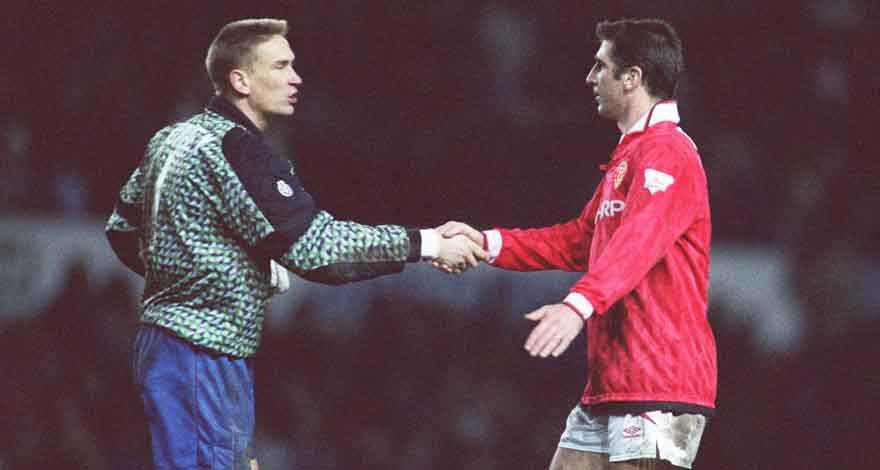
That was ten years ago - and Alan has been sober since.
Today Alan is a union rep and Portsmouth’s club ambassador, who makes sure young players keep up their education and have access to mental health support at Fratton Park, via the PFA.
“When I contacted Sporting Chance I’d not had a drink for a week, but I told them it wouldn’t last, that I’d soon be back on it.
“But they got me in and not long into the course I just had this epiphany and it all sort of fell into place for me.
“I started working through what had happened, all the rubbish things I’d done through drink.
“I said, ‘That’s it’ and I just walked away from it, and fortunately, I’ve stayed clear since.”
He added: “I think everybody has a different perception of what an alcoholic is.
“But I’d allowed alcohol to take over my life.
“Everything revolved around it.
“Playing football was my dream, and I was very lucky to be a professional for 25 years, but once that fell away it was: ‘Where’s the next drink coming from?
“Come on……let’s get smashed.”
Alan is at Fratton Park every day of the week and the young players have his mobile ‘phone number so they can call him if they need advice.
“It’s been great to see some of them carry on their education and build careers away from the pitch,” he said.
“I help to spread the message about the PFA’s services, from mental health to funding for education.
“If I can make sure they don’t go through what I did, then I’ve achieved what I’ve set out to do.”
It takes tremendous courage to talk about something so personal as a bareknuckle fight with alcohol addiction and the black dog of depression.
A modest, affable man, with a dry sense of humour, he also wants to help others who never really find a substitute for football when they fall out of the game.
“When I was a player I was always a bit like, ‘What do the PFA do?
“But I found that out, the incredible work that they do to help their members.
“From that day, when I was a gibbering wreck in the Harvest Home, to my first contact with Sporting Chance, then that changed my life.”
Alan Knight is on home ground – we meet for coffee not far from where he etched his name in to Pompey folklore at Fratton Park.
“From me believing that I had nothing more to give and that my life was a waste of time, to giving me my self-worth back, then that was down to Sporting Chance,” he added.
“There was just one occasion, when I came out of rehab, and the little devil on my shoulder said: ‘Come on Alan, why don’t you have one more. You’ll be okay.’
“That was tough, but I was done with drink.
“I was a crappy dad when I was drinking, but I’m trying to make it up to my family now alcohol is no longer part of my life.
“Maybe that’s my redemption, I’m not sure, but I think my daughter is proud of me now."
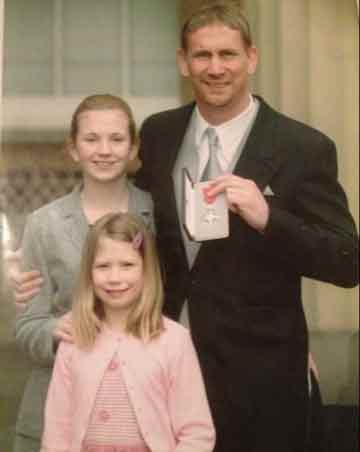
Alan receiving his MBE with his daughters
“I hear terrible stories about people taking their own lives, sometimes footballers, but the Professional Footballers’ Association probably saved me.
“I was incredibly fortunate to have that chance, but many players, I think, are perhaps too ashamed to go and ask for help when they are struggling.
“I was the understudy goalkeeper for one of the union reps who encouraged me to become a member of the PFA.
“I’m very thankful I did.
“And without their help it could have all ended a lot differently for me.”
When Alan retired, he went to America to coach in Dallas, but when he returned he struggled to find work.
“That’s when it began to really unravel,” he admits.
“With no qualifications, my options were limited – I took on manual jobs and ended up digging holes and driving tractors at Heathrow Airport.
“We’d set off at 5am in a mini bus, and it was like welcome to the real world - a real eye-opener.
“With the alcohol came a lot of self-loathing and sometimes I didn’t want to get up in the morning because of the depression.”
Alan was 14 when signed schoolboy terms for Portsmouth and had spent his summer holidays training with the club’s first team such was his promise.
When Alan was a pro, wages were low, and players drove Cortina’s rather than sports cars.
“Ian St John (Former Liverpool player) was manager when I got there, but it was Jimmy Dickinson who signed me as an apprentice.
“Jimmy holds the record for most Portsmouth appearances, and I’m the second.”
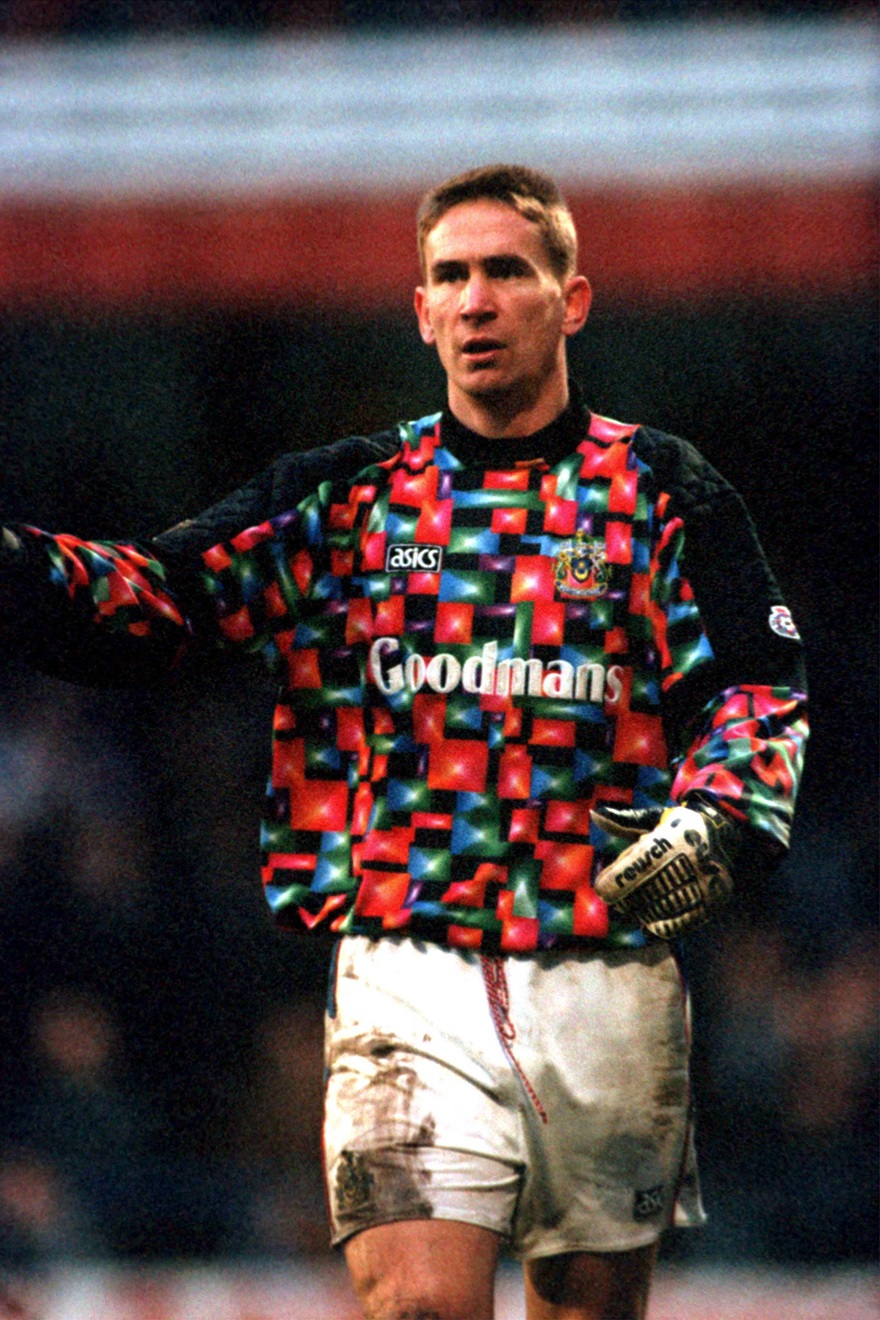
Frank Burrows handed him his debut at 16 in an end of season win over Rotherham at Millmoor with Pompey already relegated.
He would go on to represent Portsmouth in all four divisions and, remarkably, throughout the same number of decades, from 1978 to 2000.
Alan’s 57, but he looks fit and trim and ready for the next chapter in his life.
“It was a different world then and I remember being frightened of walking into the dressing room…George Graham was there and Paul Went.
“You’d knock first and wouldn’t speak unless spoken to.
“I think there was definitely more respect then.”
Of all his former team-mates he considers Paul Walsh to be the most gifted, while the 1992 FA Cup semi-final against Liverpool at Highbury remains a cherished memory.
With Portsmouth leading with three minutes to go, he recalled: “They got a free kick.
“John Barnes took it and I got a hand to it, tipped it against the post and Ronnie Whelan put it in as he ran back across the line.
“Jim Smith (Then Portsmouth manager) still thinks I should have saved it.
“I still say it was a great save.
“That’s football, though, isn’t it?
In the replay, Portsmouth lost 3-1 on penalties.
“I don’t think it will ever happen again, a player at one club for 25 years, the way football is now.
“I sometimes worry that the modern game has become a bit boring and sterile.
“But football gave me so much and I’ll always be grateful for that.
“And I’ve so many things to be positive about in my life now.”


.jpg)